Voxel: Capturing the Nostalgic Spirit of 8-Bit Pixel Art
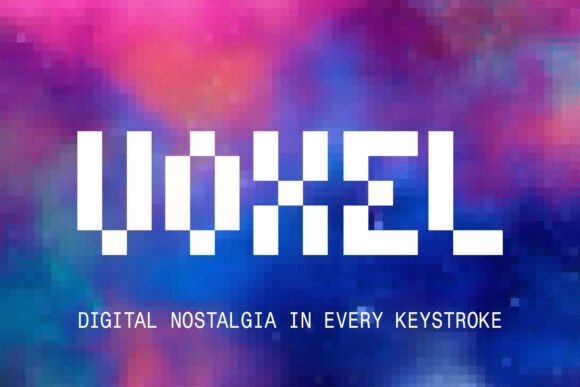
There is an undeniable magnetic pull to the aesthetics of the late 20th century, specifically the era of early computing and arcade cabinets. For designers and creators working today, replicating that raw, digital energy requires more than just a filter; it requires the right building blocks. Enter Voxel, a typeface that doesn't just mimic the past but authentically resurrects it. This is a bold, blocky pixel font that channels the spirit of vintage digital screens and classic video games, offering a complete character set designed for the modern creative. Whether you are building a brand from the ground up or adding a specific flavor to a marketing campaign, understanding how to wield a display font like this can completely shift the visual narrative of your work.
Decoding the Visual Language of Pixel Typography
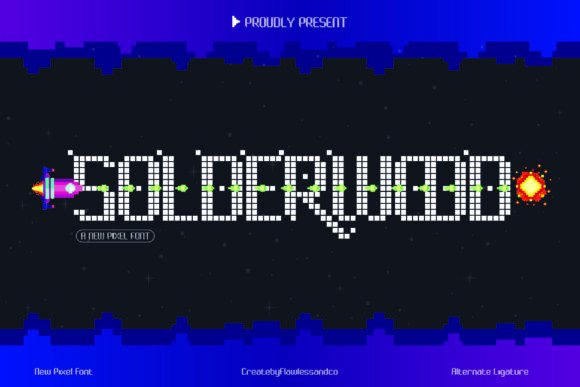
At its core, typography is about communication, but display typography is about personality. Voxel is not a subtle whisper; it is a confident statement. Its construction relies on rigid, grid-based geometry, mimicking the limitations of early hardware where curves were a luxury and straight lines were the standard. This blocky aesthetic creates a texture that feels tactile and grounded. Unlike a standard sans serif font which prioritizes smooth legibility at small sizes, a premium font like Voxel prioritizes atmosphere and recognition.
The charm lies in its "imperfections." The jagged edges of the letters are not flaws but features that evoke a sense of nostalgia. When you look at this typeface, you aren't just seeing letters; you are seeing the visual language of 8-bit worlds. It is a creative font that bridges the gap between retro gaming culture and contemporary modern typography. It works exceptionally well in environments where you want to capture attention immediately, making it a prime candidate for headlines, hero sections, and large-scale signage where its structural integrity can shine.
Strategic Applications for Branding and Identity
For entrepreneurs and small business owners, choosing a typeface is a critical decision in brand identity. Fonts carry psychological weight. A script font might imply elegance and tradition, while a handwritten font suggests intimacy. Voxel, conversely, speaks to innovation, tech-savviness, and a playful edge. If your brand operates in the tech space, e-sports, digital entertainment, or even creative software, this font can serve as the cornerstone of your visual identity.
Consider the application in logo design. A logo utilizing Voxel immediately signals to the audience that the brand is modern yet aware of its digital roots. It works beautifully for:
- Tech Startups: Conveying a sense of building and construction, much like pixels forming an image.
- Retro Gaming Cafes: Creating an instant atmospheric connection to the golden age of gaming.
- Cyberpunk Streetwear: Providing the gritty, digital texture required for fashion labels that lean into futuristic dystopian themes.
However, using a display font for a logo requires careful consideration of scalability. Because of its pixel nature, Voxel performs best when the logo is displayed at a size where the individual "pixels" are visible. If shrunk too small, the legibility might suffer, turning distinct letters into a blur. Therefore, pairing it with a clean serif font or a geometric sans-serif for body copy is often the best strategy to maintain a professional presentation across all marketing assets.
Elevating Digital Content and Social Media
In the realm of content creation, particularly for streamers, YouTubers, and social media managers, the fight for attention is won in milliseconds. Generic typography often fades into the background. Voxel demands to be noticed. It is an excellent tool for creating social media graphics that pop off the screen.
Imagine a promotional post for a flash sale on Instagram or a "Live Now" alert on a Twitch stream. Using a standard system font makes the information feel generic. Using Voxel makes it feel like an event. It adds a layer of gamification to standard marketing calls-to-action. For streaming overlays, this font ensures that your donation alerts, follower goals, and chat boxes blend seamlessly with the digital environment of the games you play.
Furthermore, for web design, Voxel can be used to create striking headers that break the monotony of standard web layouts. While it shouldn't be used for long-form blog paragraphs, it is perfect for navigation menus, category titles, or 404 error pages where you can inject a bit of personality. It transforms standard digital products into curated experiences.
Practical Pairings and Readability Considerations
One of the most common questions regarding bold, stylized typefaces is how to pair them. A font with as much character as Voxel needs a partner that can support it without competing for attention. The goal of font pairing is contrast and hierarchy.
If you are working on editorial design or a poster design, try pairing Voxel with a classic, high-contrast serif like Garamond or a clean sans-serif like Helvetica or Roboto. The organic curves of the body text will highlight the rigid geometry of the pixel font, creating a dynamic visual tension. This contrast helps maintain readability; the reader's eye is guided naturally from the punchy headline to the informative body text.
When using Voxel for packaging design, consider the physical medium. On a matte, textured cardboard box, the blocky nature of the font can look fantastic. On a glossy, reflective surface, ensure there is enough contrast so the pixels don't blend into the glare. Always test your design assets in mockups before sending them to print. For merchandise like T-shirts or tote bags, the font holds up exceptionally well because its bold lines translate effectively to screen printing and embroidery, where thin, delicate lines often fail.
Understanding Licensing and Commercial Use
As a designer or business owner, the legal aspect of typography is just as important as the aesthetic. When you invest in a commercial font like Voxel, you are typically securing a license to use that asset across your projects. It is vital to understand the scope of that license.
Most premium font licenses cover a specific number of "seats" (users) or specific types of usage (e.g., desktop vs. web). If you are creating digital products for resale, such as Canva templates or printables, you generally need an extended license that permits embedding the font in a distributable file. Always review the End User License Agreement (EULA) provided with the typeface. This ensures your branding remains legal and protects you from potential copyright issues down the road.
Final Thoughts on Creative Execution
Ultimately, a font is a tool, and Voxel is a specialized one. It is not designed to replace your everyday body copy typeface. Instead, it is the secret weapon for moments of high impact. It is the visual equivalent of a synthesized soundtrack kicking in during a boss fight. By integrating this pixel font into your toolkit, you gain the ability to instantly transport your audience back to the era of arcade cabinets and CRT monitors, while keeping your designs firmly rooted in modern, high-quality production values. Whether for a single campaign or a full-scale rebrand, this typeface offers a unique blend of nostalgia and edge that few other design assets can match.